
Treatment of Acne, Melasma and Rosacea in Tucson
Acne Treatment
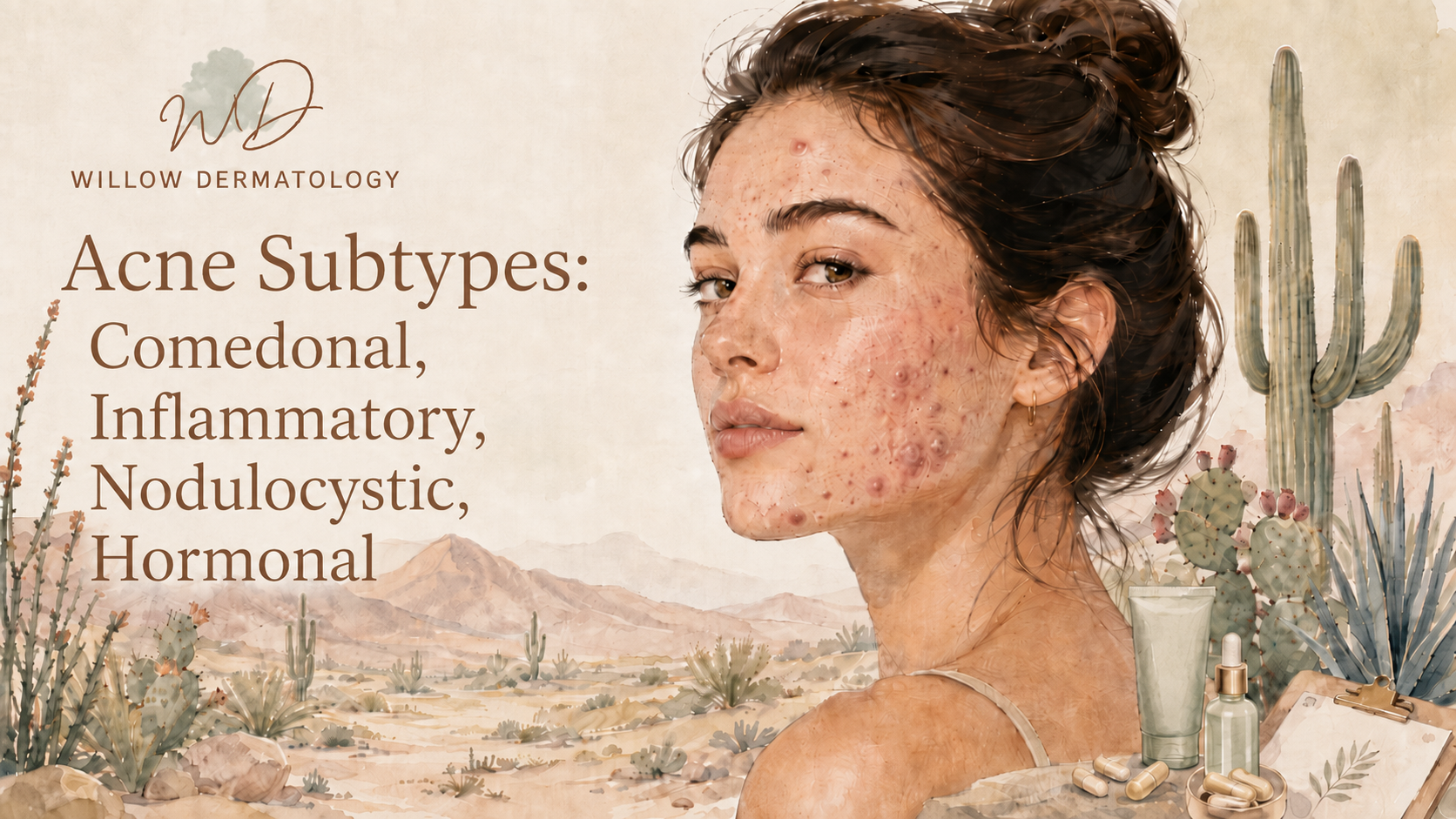
Acne is not a single condition. Different types of acne often require different treatment approaches, and many patients have more than one type at the same time.
Comedonal acne is characterized by blackheads and whiteheads caused by clogged pores. Treatment often focuses on improving skin-cell turnover and preventing new blockages with topical medications such as retinoids and other acne-directed skin care.
Inflammatory acne causes red, tender bumps and pustules. Treatment may include topical medications, oral antibiotics, and other therapies aimed at reducing inflammation and acne-causing bacteria, while preventing scarring.
Hormonal acne often appears as recurring, deeper breakouts along the lower face, jawline, or chin and may fluctuate with hormonal changes. Depending on the individual patient, treatment may include topical therapy as well as medications that address hormonal influences on acne.
Cystic or nodulocystic acne produces deeper, painful nodules or cysts and carries a greater risk of permanent scarring. Patients with severe, persistent, or treatment-resistant acne may benefit from oral isotretinoin, commonly known by the former brand name Accutane.
Dr. Mahdieh Jedlowski and Dr. Mohammad Fazel have extensive experience treating acne across the full spectrum of severity, from mild comedonal acne to severe inflammatory and cystic disease. Treatment plans may include prescription topical medications, oral therapies, hormonal treatments when appropriate, and isotretinoin. For patients receiving isotretinoin, treatment includes appropriate laboratory and clinical monitoring and counseling throughout the course of therapy.
Our goal is not simply to treat active breakouts, but also to reduce future acne, minimize the risk of permanent scarring, and address discoloration that may remain after acne improves.
Pigmentation & Facial Skin Conditions
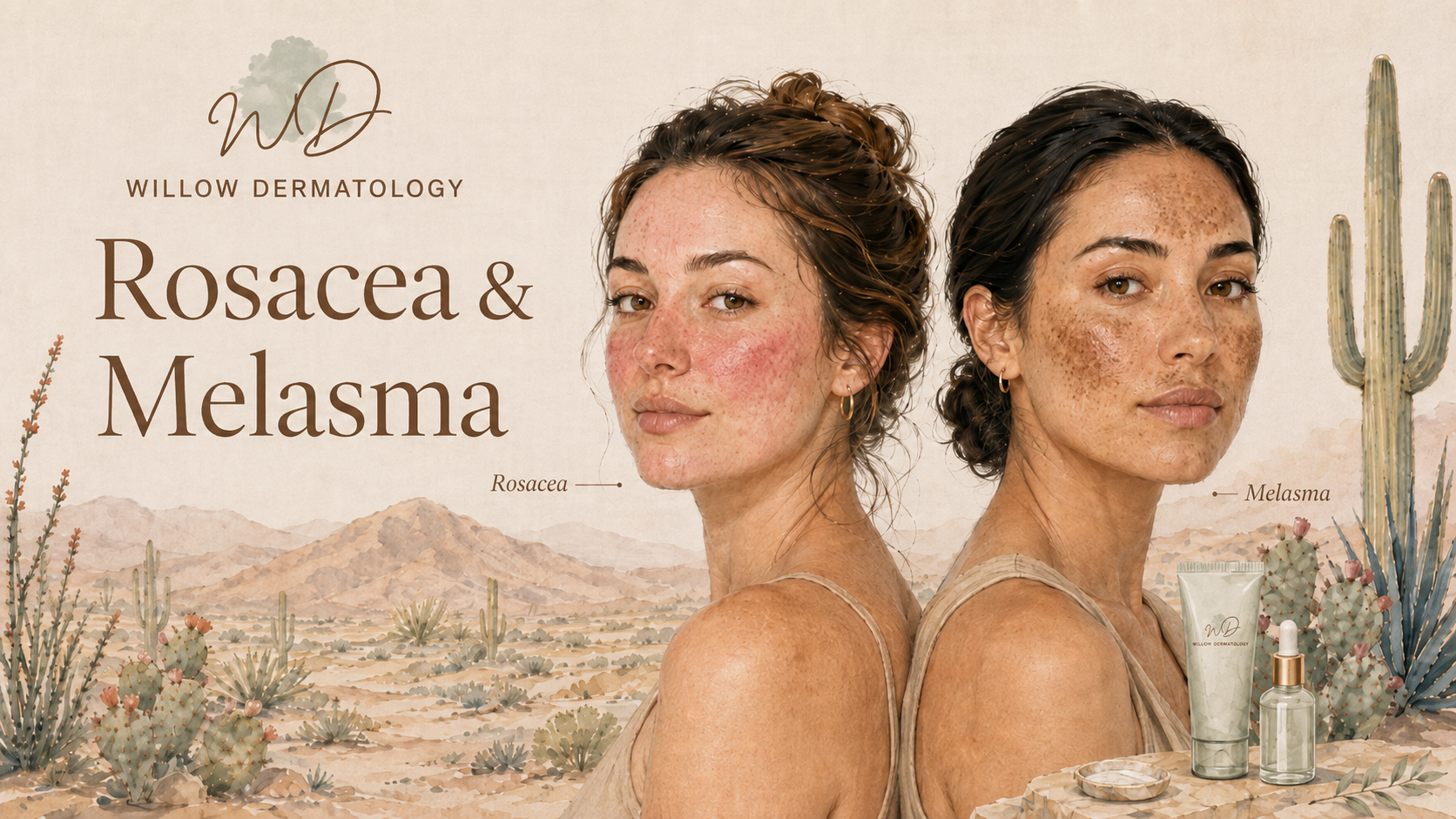
We also evaluate and treat common facial pigmentation concerns, including melasma, sun-related discoloration, post-inflammatory hyperpigmentation, and uneven skin tone. Because pigmentation can be worsened by ultraviolet exposure, inflammation, hormones, and certain skin-care products, identifying the underlying cause is an important part of treatment.
Treatment plans may combine prescription skin care, sun protection, topical lightening or pigment-regulating medications and preventive strategies. For patients with acne-related discoloration, treatment can often address both the active acne and the pigmentation it leaves behind.
Rosacea and other chronic facial inflammatory conditions are similarly evaluated according to their specific pattern and severity, allowing treatment to target redness, bumps, irritation, and other symptoms, while maintaining the health of the skin barrier.